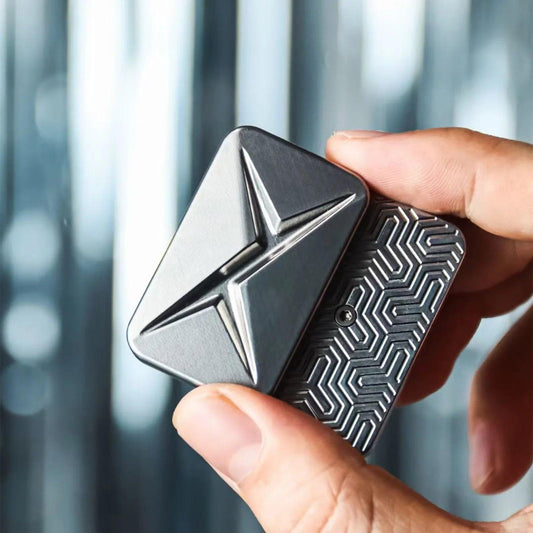
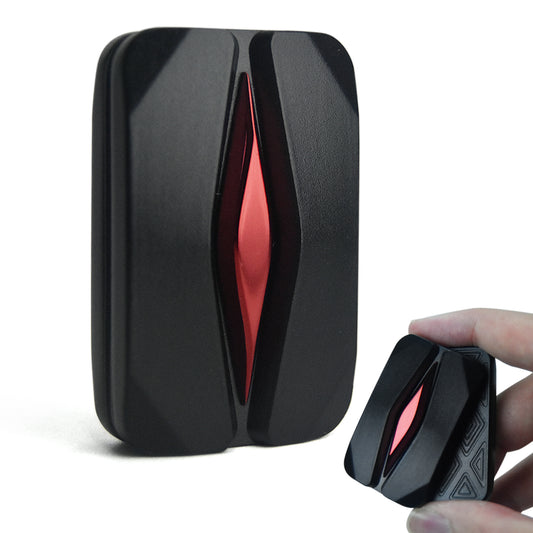
Magnetic Fidget Sliders: How They Work, How They Sound, and Which to Buy
A magnetic fidget slider uses magnets and a moving inner piece to create a repeatable return motion. The exact feel and sound vary by design, magnet placement, body geometry, and fit. This guide covers common mechanisms, what affects the click, and what to look for when comparing products.
Why Magnets, Specifically
Magnets are one way to build a slider. They can provide a repeatable return force, while springs, detents, weighted returns, and physical tracks create different sensations. The result depends on the design and how the moving parts fit together.
What the Click Actually Means
At the end of the slide, magnet alignment and the physical stop can both contribute to the sound. Perceived volume varies with the design, contact surfaces, and surroundings; a click alone does not identify a particular magnet grade.
Sound and feel vary by model and environment. A slider may have a sharper click, a softer tap, or a quieter return; perceived volume at a desk or at arm's length is not a reliable measure of quality. Compare the product's published description and media when available.
How a Magnetic Slider Feels in Use
The feel can change as the moving piece travels, and the return and sound depend on the design. A repeatable one-handed motion is one reason people choose a magnetic slider: push with your thumb and the mechanism brings the piece back. Exact resistance and timing vary by model.
Magnetic vs. Mechanical
A mechanical slider uses a spring, detent, or physical track instead of magnets. The classic example is the "ding" slider, where the inner piece slides and lands with a metallic ding. The feel is more deliberate and louder; the sound is sharper. Pick magnetic if you want repeatable, soft-to-loud force and a one-handed return. Pick mechanical if you want a louder, more tactile landing. Same overall format, very different feel. The poker-card slider collection is magnetic; the dingding collection is mechanical.
What to Look for in a Good Magnetic Slider
A product page should explain the mechanism, body material, finish, moving-part fit, and how the magnets are contained. Compare those details rather than judging quality from sound or price alone:
- Securely enclosed magnets — the magnets should stay inside the frame during normal use. If the listing does not explain how they are contained, ask the seller.
- Body material — look for the actual material description and any published weight or dimensions. Do not infer the material from sound or weight alone.
- Finish — look for a finish description and care guidance that match how you plan to carry and use the slider.
- Weight — choose a weight you can carry comfortably and compare it with the product's published specifications.
- Precise tolerances — the inner piece glides without wobble but without grinding.
- Captured magnets — sealed inside the frame, never exposed. Loose magnets are a choking hazard and a problem for credit cards in the same pocket.
Common Mistakes When Buying
Three things go wrong most often. Buying on weight alone — a heavy slider isn't automatically a good one; a well-made 70 g slider beats a poorly-made 120 g one. Buying for the artwork — a fancy printed design on a thin shell won't last. Look at the metal and the magnets. Buying a "silent" magnetic slider — by definition, a strong magnetic slider clicks; if it doesn't, the magnets are weak. Quiet fidget is a different category (think haptic coin, not magnetic slider).
Are Magnetic Sliders Safe?
Use the product as intended and follow any product-specific care or safety instructions. Keep magnetic items separate from magnetic-stripe cards and other magnet-sensitive items.
How to Use a Magnetic Slider Day to Day
A magnetic slider works best as a background habit, not a focused activity. The right way to use one is the way you use a pen cap — automatically, between other things, without thinking about it. A few patterns that work: on calls (click during slow parts; quieter than a pen, less visible than a spinner), at the desk (keep it next to the keyboard; reach for it when a tab is loading or you're waiting for a build), in line or commuting (one-handed operation is the whole point; goes back in the pocket like a coin), between meetings (two minutes of clicking beats two minutes of phone scrolling, and the slider is still on the table when you come back). If you find yourself doing flips and one-handed catches, that's a different category called a trackless slider.
FAQ
How does a magnetic fidget slider work?
A magnetic slider typically uses a magnet arrangement to pull the moving piece back toward home. The number and placement of magnets vary by design, as do the resistance and sound.
Are magnetic fidget sliders loud?
Sound varies by model and setting. Review the product's sound description or media when available, and choose a quieter design for shared spaces if that matters to you.
Can a magnetic slider wipe a credit card?
Yes, if stored in the same pocket. Neodymium magnets can demagnetize the magstripe on credit cards, hotel keys, and some ID cards. Keep the slider in a separate pocket from cards, and away from phones with magnetic cases.
What's the difference between a magnetic slider and a poker card slider?
Often the same thing. "Poker card slider" describes the look (Ace of Spades, King of Hearts, etc.). "Magnetic slider" describes the mechanism. The Gold Ace poker slider is a magnetic slider with a poker card design.
Browse Magnetic Sliders
The poker-card slider collection is the magnetic style, with the Gold Ace leading the shelf. For a quieter alternative, the Featured Metal Fidget Toys collection has the haptic coin side-by-side.