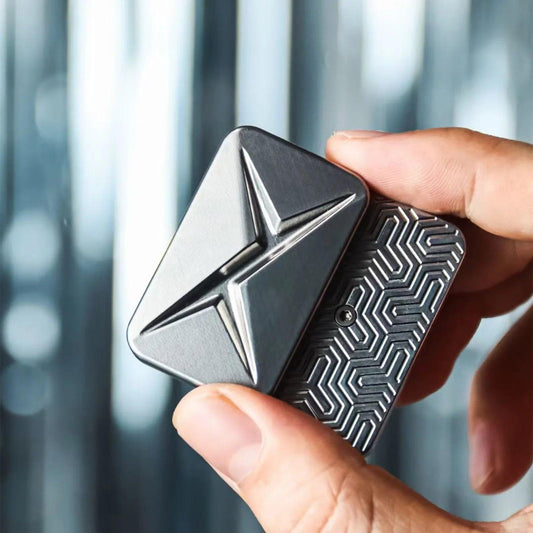
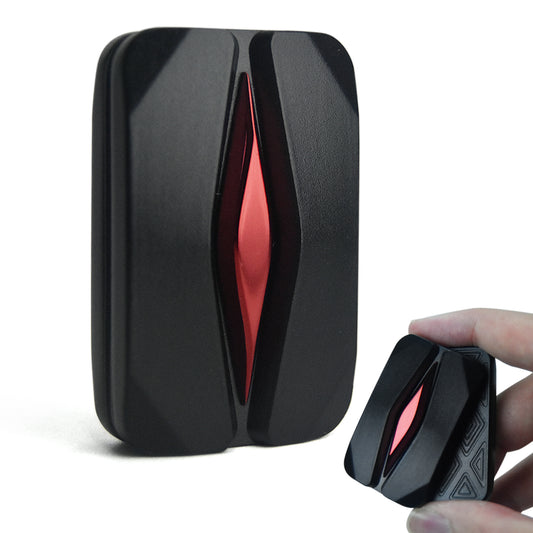
High-End Fidget Toys: What Makes a Metal Slider Worth $40+
A $40 to $80 metal slider costs five to ten times what a plastic spinner does. The price gap is real, but so is the difference in how the toy feels and how long it lasts. This guide explains what "high-end" actually means in the fidget category, where the money goes in a quality metal slider, and how to tell whether one is worth the price.
What "High-End" Means in Fidget Toys
A high-end fidget usually combines a solid-feeling body, a consistent mechanism, a finish suited to the intended use, and controlled fit between moving parts. Materials and mechanisms vary by design, so check the product's published specifications instead of assuming that a price or magnet grade proves quality.
Where the Money Goes in a $40+ Slider
A $40 to $80 metal slider isn't 10x the materials of a $5 plastic spinner. The cost breakdown is roughly:
The price may reflect materials, machining, finishing, quality control, packaging, marketing, and retail margin. The mix varies by maker and production run, so percentages should be treated as estimates unless the maker documents them.
What You Get for the Money
Weight, sound, and finish all change how a slider feels. Some users prefer heavier bodies or a sharper click; perceived sound and finish wear depend on the design and use conditions. Look for published weight and material details, plus realistic care guidance.
When a $40+ Slider Is Worth It
Worth it if three boxes are checked. You'll carry it daily — frequent use may make a higher-priced piece easier to justify. You want the click, the weight, and the feel — value depends on the experience you want, not just the material. You want a particular look — compare the design and finish with your other everyday-carry items. If you are trying the category for the first time, a lower-priced metal slider can be a practical starting point.
Red Flags That Mean a Fidget Is Overpriced
A few patterns signal that a "high-end" fidget isn't worth the money.
If a listing emphasizes artwork but omits mechanism or material specifications, ask for details before buying. Unsupported weight, material, durability, or "limited edition" claims deserve the same scrutiny as any other product claim.
How to Spot a Quality Fidget Without a Spec Sheet
When the listing doesn't tell you what you need, three tests work in person or in unboxing videos.
Three tests work in person or in unboxing videos, no spec sheet required. The tap test: tap the body with a fingernail — solid metal produces a low, dense ring; plated zinc produces a higher, thinner sound; the difference is audible in any quiet room. The shake test: hold the fidget next to your ear and shake gently — no loose parts, no clicking from a loose ball, no rattle; a high-end fidget is silent when shaken. The magnet test (for magnetic sliders): push the inner piece out and release — you should hear a clean click from arm's length; if the click is soft or absent, the magnets are undersized.
Where High-End Pays Off the Most
High-end pricing pays off the most as a gift. When choosing a higher-priced fidget as a gift, compare presentation, materials, finish, mechanism, and the maker's published specifications. A higher price does not automatically guarantee a particular box, finish, or service life. The Gold Ace poker slider is a good example of the format that works as a gift; the poker-card slider collection covers the rest. The Featured Metal Fidget Toys collection shows the formats side by side.
A Quick Note on Safety
High-end fidgets are still small metal objects with strong magnets. Keep away from young children; don't store magnetic fidgets in the same pocket as credit cards, hotel keys, or magnetic phone cases.
FAQ
Are expensive fidget toys worth it?
Value depends on how often you will use the piece, the feel you want, the documented materials and mechanism, and your budget. If you are new to the category, a lower-priced metal slider can be a practical way to learn what you prefer.
What's the difference between cheap and expensive fidget toys?
Materials, mechanism, finish, fit, and quality-control practices can differ. Compare the product's published specifications and care instructions instead of assuming a price range proves durability.
What's the most expensive fidget worth buying?
Custom and limited-run models can cost much more, but value is personal. Compare the documented materials, mechanism, fit, and finish with how you plan to use the piece.
Find One Worth the Price
The Featured Metal Fidget Toys collection covers the formats that earn the price. For the quiet alternative, the haptic coin guide explains the format in detail.