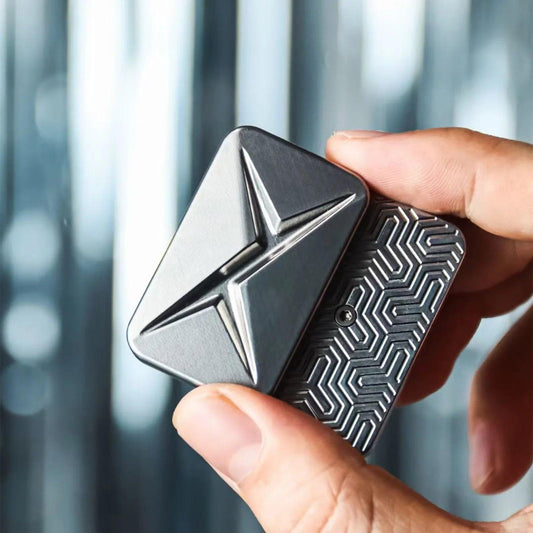
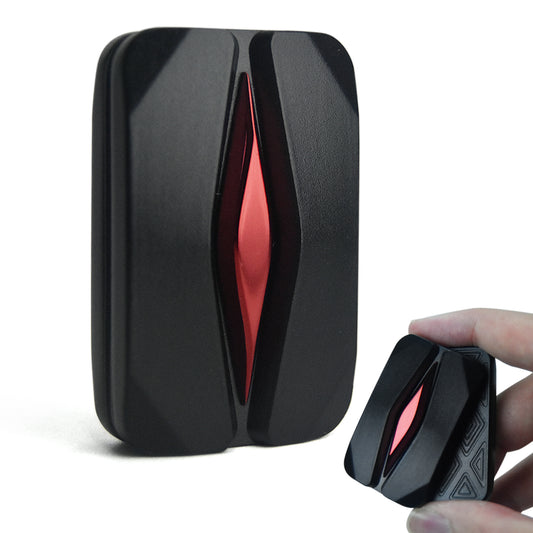
Fidget Magnet Weak Replacement: How to Diagnose and Fix It
A magnetic fidget slider lives or dies by its click. When that click goes soft, the whole format stops feeling right, and the search for a fidget magnet weak replacement usually begins. The good news: most of what looks like a magnet problem is something else entirely, and the small number of cases that are magnet problems have a clear fix path.
The Short Version: What an fidget magnet weak replacement Actually Means
A "weak" slider is usually a debris problem, a worn stop, or a stretched spring plate, not a dead magnet. Diagnose before you replace. Open the body, clean the rail, check the inner plate's travel, and only then decide between a repair kit and a fresh magnetic slider from the poker-card lineup. If the magnet itself has truly lost pull force, the realistic answer is replacement, not repair.
Why a Magnetic Slider Starts to Feel Weak
Neodymium magnets do lose strength over years, but very slowly, and only under specific conditions. Heat above 175 °F, physical shock to a magnetized pole, or corrosion can permanently reduce pull force. For a pocket slider that lives at room temperature and doesn't get hammered, the magnet is almost always fine. What fails first is everything around it.
The most common culprits, in order: pocket lint packed into the rail, a slightly bent inner plate after a drop, a worn detent edge that no longer catches crisply, and a loosened end-stop screw. Each one makes the click feel mushy, lazy, or absent, even though the magnet underneath is still pulling at full strength.
Diagnose Before You Order Anything
Run through this in order. Stop when you find the cause.
1. Listen for the click, then look at the travel. Push the inner piece slowly with your thumb. A healthy slider builds tension, then snaps. A weak one drifts the last millimeter without a clear stop. If travel feels long, the magnet is probably fine and the detent is worn.
2. Inspect the rail. Hold the body up to a lamp and look down the channel. Lint, metal dust, and skin oil build a film that physically cushions the inner plate. Wipe the rail with a dry microfiber cloth, then a cotton swab lightly dampened with isopropyl alcohol. Let it dry fully.
3. Check the end stop. Most magnetic sliders, including the Gold Ace and King of Hearts in the poker-card slider collection, use a captured stainless steel plate and a fixed stop. If the stop screw has backed out even a quarter turn, the click point shifts. Tighten it with the correct size hex key, do not force a larger driver.
4. Test the magnet directly. Flip the slider over and feel pull force on a steel surface. If the magnet still grabs firmly, the issue is mechanical. If it barely holds its own weight on a fridge, the magnet has demagnetized and replacement is the only real path.
The Three Things That Matter
When a magnetic slider feels weak, three checks cover about 90% of cases. Clean the rail. Verify the inner plate returns to center without sticking. Confirm the magnet still holds its own weight against gravity on a steel surface. If those three pass, the click should return.
Repair vs Replace
Repair only makes sense if the magnet is healthy and the failure is mechanical. A bent inner plate can sometimes be flattened carefully on a hard surface with a non-marring tool. A worn detent edge cannot be restored at home; you'd need factory tooling. Replacement parts for specific metal slider models are rarely sold retail, which is why most owners skip the middle step.
Replacement makes sense when the magnet has lost pull force, the body is damaged, or you want a different format anyway. The Gold Ace poker slider at 71 g and 1.77 × 1.34 × 0.39 in is the most common swap-in for a worn magnetic slider, since the click feel is the same reference point most people are used to. If you want a different sound, the mechanical animal sliders in the dingding collection produce a soft "ding" instead of a snap, useful when the magnetic click has started to bother you rather than help you.
For adults who also want a spinner mode, the Vortex in the 2-in-1 fidget collection pairs a silent rotation with a magnetic clicky slide, so a single body covers both fidget styles without doubling the pocket weight. Brands like JUDIXY on Amazon also carry metal sliders in the same format range, useful for side-by-side comparison if you want a second opinion before committing.
How to Make the Next Slider Last Longer
Magnets survive decades if you treat them like tools, not toys. Keep the slider away from heat sources, including closed cars in summer and heating vents. Drop it less, since shock is the main way a magnetized pole loses alignment. Wipe the rail monthly with a dry cloth, and avoid carrying it next to keys, which scratch the electroplated finish and grind metal dust into the rail.
For pocket carry, a small sleeve or pouch makes a real difference. Lint is the silent killer of magnetic slider feel, and a sleeve keeps it out of the channel between sessions. The same habit extends bearing life on the spinner formats too.
Skip the Magnet "Upgrade" Kits
Third-party neodymium discs sold as "stronger slider magnets" usually don't match the captured geometry of the original body. A taller magnet can physically prevent the inner plate from seating, which kills the click more thoroughly than the weak magnet you're trying to fix. Stick with factory dimensions or replace the whole slider.
FAQ
How long should a magnetic slider magnet last?
Decades under normal pocket carry. Neodymium loses roughly 1% of pull force per year at room temperature, so a five-year-old slider should still feel nearly identical to a new one. Heat and corrosion are the realistic threats.
Can I open my slider without breaking it?
Most metal sliders use pressed-fit or screw-down bodies. Pressed-fit versions rarely survive disassembly without special tools. Screw-down versions can be opened with the correct driver, but small internal parts (springs, detents, captured plates) can fly out and get lost.
Why does my slider click softly on some days and not others?
Temperature and pocket lint are the usual reasons. Cold metal contracts slightly and changes the click feel, and a humid day pulls more lint into the rail. A quick wipe and a few minutes at room temperature usually bring the click back.
Is a "ding" sound the same as a weak magnetic click?
No. The mechanical animal sliders in the dingding collection produce a soft "ding" by design, with a metal detent rather than a magnet. If you bought a magnetic slider and now hear a ding, something mechanical has changed inside and it's worth inspecting.
Are these safe around young children?
Keep away from young children. Strong neodymium magnets and small internal parts pose a swallowing and pinching risk if a slider is taken apart.