Anodized vs Electroplated Fidget: Which Finish Actually Lasts
The anodized vs electroplated fidget conversation usually starts after someone notices a finish wearing off. A pocket clip scratch turns into a bald spot. A colorful surface dulls. The metal underneath starts showing through, and the toy starts looking tired long before the mechanism does. If you're choosing a metal fidget slider, spinner, or 2-in-1, the finish matters as much as the mechanism — and the difference between anodizing, electroplating, and PVD is worth knowing before you buy.
The anodized vs electroplated fidget question, in plain terms
Both finishes put a surface layer on the metal, but they do it in completely different ways. Anodizing is an electrochemical process that grows an oxide layer on the surface — most commonly on aluminum and titanium. The color is built into that oxide layer, not painted on top. Electroplating is the opposite approach: a thin skin of a different metal (usually nickel, copper, gold, or rhodium) is deposited onto a base metal through an electrical current. The color comes from the plating metal itself, or from a final tint coat.
PVD — physical vapor deposition — sits in a third category. It's a vacuum-chamber process that bonds a thin ceramic or metal-ceramic layer to the surface at very high temperatures. It's the hardest of the three by a wide margin and is what you'll find on higher-end watches and premium EDC gear.
For adult metal EDC fidgets, the most common finishes you'll see in the wild are anodized aluminum (vibrant colors, light weight), electroplated stainless steel or zinc alloy (metallic shine, heavier feel), and occasionally PVD-coated titanium or steel (matte black or bronze tones, premium price).
How each finish wears in a real pocket
Anodized finishes are tough for their thickness but soft in absolute terms. The oxide layer is part of the base metal, so if it gets scratched through to bare aluminum, the scratch is silvery and obvious against colored ano. Day-to-day carry against keys, phone, and pocket seams will eventually polish high points and create a worn-in look some people like and others don't.
Electroplating is more decorative and more vulnerable. The plated skin is a separate layer sitting on top of the base metal. Once that skin breaks — at a corner, a clip point, or a high-contact edge — corrosion can creep underneath and lift the surrounding plate. On EDC fidgets that get handled constantly, electroplated finishes tend to show wear within months rather than years.
PVD is the durable choice for everyday carry. It's bonded at the molecular level, resists scratches far better than the other two, and doesn't peel or lift the way plating can. The trade-off is cost — PVD-coated metal fidget toys usually run noticeably higher than their anodized or plated counterparts.
What changes when sweat and skin oils get involved
Skin contact is where finishes separate most clearly. Anodized aluminum is generally skin-safe and won't react with sweat. Electroplated finishes are a mixed bag — nickel plating is a known skin sensitizer for some people, and the underlying base metal can show through as plating wears. PVD is inert and hypoallergenic in practice, which is part of why it dominates watch cases and jewelry that touch skin all day.
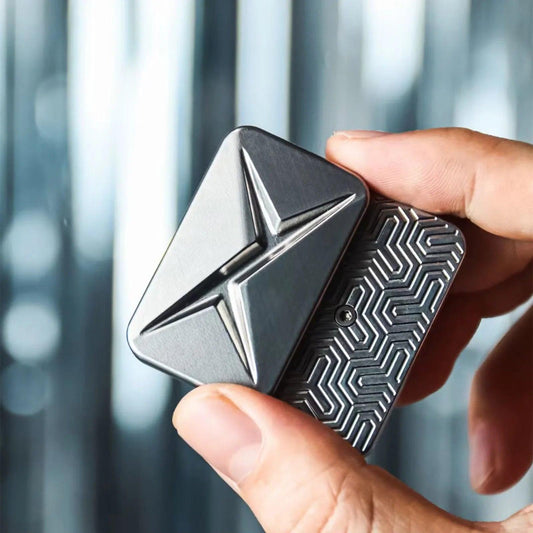
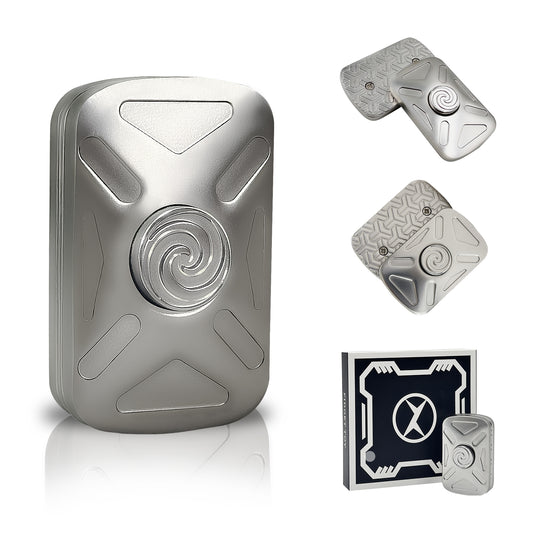
If you fidget during workouts, on hot commutes, or with hands that run sweaty, plating is the finish most likely to discolor or wear fastest. The KOMO EDC poker-card magnetic slider uses electroplated stainless steel at 71 g and 1.77 × 1.34 × 0.39 in — a format that's known for audible click and pocket-friendly footprint, with a finish that holds up to typical office and travel use but isn't indestructible.
Color, repairability, and the small print
Anodizing gives you the widest color range — that's why you'll see bright blues, purples, and greens on aluminum EDC gear. The color can't really be "repaired" once worn off, but a re-anodize is straightforward if the part is sent back to a shop with a tank. Electroplating is harder to touch up invisibly. PVD can't be repaired at home, period — but it also rarely needs repair.
One practical note: dark anodized finishes show oil and fingerprint smudges more than light ones. If you fidget while reading or on calls, a lighter ano or a PVD matte will stay looking clean longer between wipes.
What this looks like across common fidget formats
Magnetic sliders and mechanical sliders like the Premium Alloy animal sliders lean on plating because the metal-alloy bodies don't anodize well — that alloy isn't aluminum. Spinners and 2-in-1 formats like the Vortex 2-in-1 show up in all three finishes depending on price tier. Trackless trick sliders often go plated or PVD because trick play involves more skin contact and more drop risk. For a broader look at format options, the EDC fidget starter kit page covers what's currently in rotation.
FAQ
Which finish lasts longest on a metal fidget toy?
PVD, by a clear margin. Anodized aluminum holds up well but shows wear on high-contact areas. Electroplating is the most likely to chip or lift first.
Is anodizing tougher than plating?
It depends what you mean by tough. Anodizing is harder than the base aluminum but thinner than a plating skin. Plating is thicker but mechanically weaker at the bond layer.
Can I re-anodize or replate a worn fidget at home?
Re-anodizing aluminum is doable with the right chemicals and a power supply. Replating is harder to do well without a shop setup. PVD requires vacuum equipment and isn't a home project.
Are these finishes safe for skin contact?
Anodized aluminum and PVD are inert. Some electroplated finishes use nickel, which irritates a small percentage of users — worth checking if you've had jewelry reactions before.
Does the finish affect the click or sound?
Not meaningfully. Sound comes from the mechanism and the metal-to-metal contact inside, not the surface layer. A 71 g plated slider and a 71 g anodized slider in the same format will sound similar.
Picking the finish that fits how you actually fidget
If you want color and don't mind a worn-in patina, anodized aluminum is hard to beat for the price. If you want a classic metallic look and you're not hard on your gear, electroplating looks great out of the box and holds up fine in light daily use. If you carry hard, fidget through long workdays, or want something that looks new a year from now, save up for PVD or pick a finish that's known to age gracefully. None of these finishes are invincible — but knowing the difference between them means you won't be surprised when a plated corner starts showing the metal underneath six months in.
For readers comparing specific format options across finishes, the Featured Metal Fidget Toys collection shows what's currently moving — most of it plated stainless or alloy, which is the mainstream balance of look and durability for adult EDC use.
Keep away from young children. Strong magnets and small parts are part of how these mechanisms work, and that doesn't change with the finish.