Fidget Slider Tricks for Beginners: 5 Simple Moves to Master in 10 Minutes
You bought a metal fidget slider, you've clicked it open and shut a few times, and now you're wondering what comes next. This guide walks you through five beginner fidget slider tricks you can pick up in about ten minutes — no tutorials, no video scrubbing, just clear steps you can try at your desk.
What Is a Fidget Slider, Exactly?
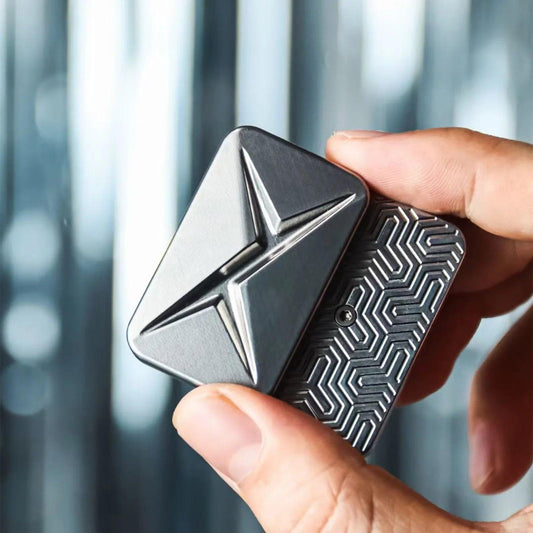
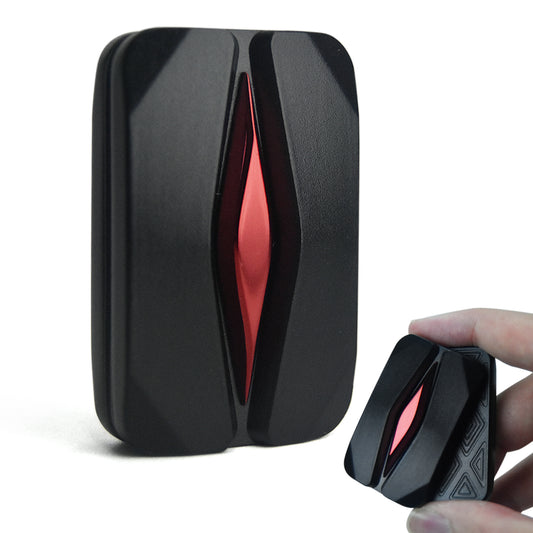
A fidget slider is a small, palm-sized metal toy with two halves that slide past each other. Most are magnetic: push the halves apart, release, and the magnets pull the slider back with a crisp, springy click. Our poker-card fidget sliders use this exact feel — an electroplated steel card slides inside the frame and snaps home with a satisfying click. Because the motion is one-handed and almost silent in a quiet room, sliders have become a go-to desk toy for adults and teens who want something more grown-up than a plastic spinner.
Why Bother Learning Fidget Slider Tricks?
Clicking the same way over and over gets old fast. A few small moves turn the slider from a one-trick desk toy into a skill piece you'll actually pick up. The fidget slider tricks below were chosen because they need zero warm-up, work on any standard magnetic slider, and look smoother than they feel — so you can build confidence before moving on to flips and one-handed catches.
5 Beginner Fidget Slider Tricks to Learn First
Start at trick 1 and only move on once each one feels automatic. Rushing is what makes a slider slip out of your hand.
1. The One-Handed Slide
Hold the slider between your thumb and middle finger, with your index finger resting on top. Push the inner card out with your thumb, then let the magnets snap it back. Repeat until the motion is smooth, then try it with the slider flipped over. This is the foundation for almost every other fidget slider trick.
2. The Two-Card Snap
Hold the slider flat in your palm. Push the card out so it sticks past the frame, then snap it back with a small twist of your wrist. The trick is the wrist — the snap should sound like a single, clean click, not a rattle. If you hear metal scraping, slow down and let the magnets do the work.
3. The Pocket Pull
With the slider in your front pocket (or jacket pocket), reach in and slide the card out with your thumb, then push it back. This is the move you'll actually use most in real life — at the register, in a meeting, or waiting for the train. Practice in a deep pocket first so the slider doesn't fly out.
4. The Card Flip
Hold the slider vertically between thumb and forefinger. Flick the card up with your thumb so it pivots open, then catch it as it snaps closed. It looks harder than it is — the magnets want to pull the card home, so you're really just guiding the start of the move. After a few tries, you'll be able to do this one-handed while reading.
5. The Trackless Spin
This is the one that turns heads. A trackless slider has no fixed rail — the inner piece is free to move and rotate, so you can spin it like a coin and balance it on edge. It's the trick that makes a trackless fidget slider worth buying, and once you can hold a spin for two seconds, you've officially graduated past beginner status.
Tips to Get Good Faster
- Keep your hands dry. A damp palm makes any magnetic slider feel loose and slippery.
- Start slow. Speed comes from repetition, not force. The first day, focus on a clean click — not a loud one.
- Use a hard surface for practice. Drop the slider onto carpet a few times and you'll see why.
- One trick a day. Trying all five at once trains your fingers into bad habits. Spend a day on each.
A Quick Note on Safety and Care
Metal fidget sliders contain strong magnets and small parts. Keep them away from young children, credit cards, and anything magnetic you carry in the same pocket. They are designed for adults and teens, not as toys for kids. To keep the finish looking new, wipe the slider with a dry microfiber cloth every week and avoid storing it loose next to keys or coins — the electroplated finish will scratch if you treat it roughly. A simple once-a-month clean is all most sliders ever need.
FAQ
Are fidget slider tricks hard to learn?
No. The first three tricks on this list take most people under five minutes. The trackless spin takes longer because it depends on balance, not just finger control, but a few short sessions is usually enough.
Will doing these tricks damage my slider?
Not if the slider is a solid metal build with real magnets. Cheap plastic sliders with weak springs can wear out at the track; a properly made metal slider like the Gold Ace poker slider is built to be clicked thousands of times a day.
Are these tricks loud enough to bother coworkers?
Most magnetic sliders produce a short, soft click. In a quiet open office, your neighbor might hear it. In a normal office, it's quieter than typing. If silence matters, choose a silent-spin fidget instead and save the clicky tricks for home.
What if my slider feels sticky or slow?
Dust and pocket lint are the usual culprits. Wipe the inside edges with a dry cloth and the slide should smooth out. If it still drags, a single drop of mineral oil on a cotton swab along the track, wiped clean, restores the original feel.
Is a slider a good gift for someone new to EDC?
Yes — a single metal slider is one of the easiest EDC gifts to get right. Pair it with a small felt pouch and you've got a present that fits in a stocking and gets used every day.
Start With a Slider You Actually Like
Tricks are more fun when the slider itself feels good in your hand. Browse the full KOMO EDC best sellers to find the weight, finish, and click that suits you, then take the five moves above for a spin. Ten minutes of practice is all it takes to turn a click into a habit.