Electroplated Fidget Care: Keep Your Metal Slider Looking New
Electroplated fidget care can affect how a metal slider's finish looks over time. The coating is a surface layer, so keys, lint, sweat, and abrasive cleaners can gradually change its appearance. Treat the finish as a coated metal surface rather than bare steel.
The Short Version: What an electroplated fidget care Actually Means
Three habits cover the basics of electroplated fidget care: wipe it down at the end of the day, keep it away from other hard metal in your pocket, and never use household cleaners on it. Everything else in this guide is detail on top of those three rules. The plating is a coating, not the base material, so anything that would scratch paint will scratch plating faster.
How Electroplating Actually Fails
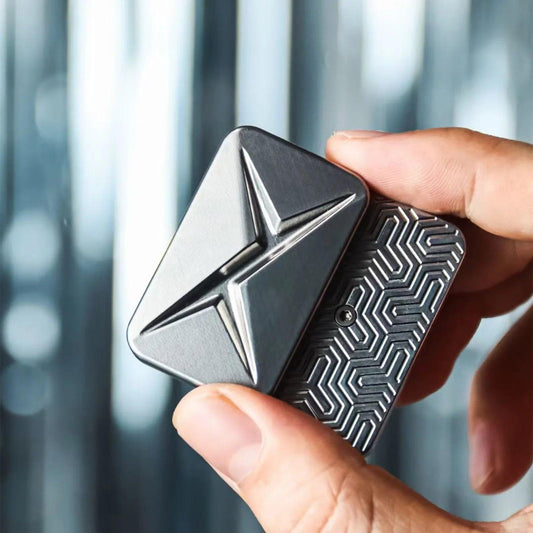
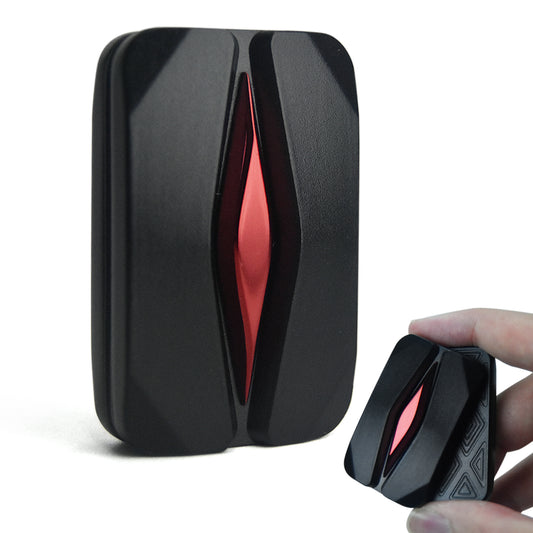
The colored finish on a magnetic slider like the Gold Ace poker slider is a thin metallic layer bonded to a stainless steel body. The base steel is what gives the slider its 71 g weight and its structural strength. The plating is purely cosmetic — it carries the black (spades) or red (hearts) look. When the plating wears, you see brighter steel underneath, usually around the edges and on the high-contact faces where your thumb rides.
Most plating wear comes from three sources: abrasion against harder materials (keys, coins, the rail of another slider), chemical attack from sweat and lotions, and micro-cracks that form when the slider is dropped onto a hard floor. Heat is rarely the issue at body temperature, but leaving a slider on a car dashboard in summer can soften the bond. None of these are exotic failure modes — they're all the same things that wear a watch finish.
Daily Care: What to Actually Do
End-of-day wipe is the single most useful habit. A dry microfiber cloth, the kind sold for eyeglasses, takes off fingerprint oils and pocket lint in about ten seconds. If the slider feels sticky or shows visible grime, dampen the cloth with plain water. That's it. No soap, no alcohol, no polish. Plain water on a soft cloth is enough for 95% of cleanings.
If you carry the slider in the same pocket as keys, stop. The keys will act like sandpaper on the plating within a month. The best pocket setup is a dedicated soft pouch or a separate small pocket. If you don't have either, at minimum keep the slider in a sleeve cut from an old cotton t-shirt. The fabric costs nothing and adds years to the finish.
For deep cleaning — once a month or after the slider gets visibly grimy — use a cloth barely dampened with isopropyl alcohol (70%). Wipe, then immediately wipe again with a dry cloth. Alcohol cuts skin oils without attacking most plating bonds, but it will dry out the surface, so follow with a dry pass. Don't soak the slider. Don't submerge it. The neodymium magnet inside is sealed, but the plating isn't rated for a bath.
What Not to Use on Plated Finishes
This is where electroplated fidget care goes wrong most often. People reach for whatever's in the kitchen or bathroom, and several of those products will strip plating in a single application.
- Windex or ammonia-based glass cleaner: ammonia attacks the plating bond. Visible dulling within a few uses.
- Bleach or any chlorine cleaner: hard no. Chlorine pits the plating and will leave a cloudy halo that won't buff out.
- Metal polish (Brasso, Mothers, etc.): designed for raw metal. On plating it removes the finish you paid for.
- Toothpaste as a polish hack: abrasive. Works on a CD scratch, destroys a plating layer.
- Lemon juice or vinegar "natural cleaners": mild acids, but mild is enough over time. Skip them.
If a cleaning product is not labeled for plated metal or jewelry, skip it and use a soft, dry or lightly damp microfiber cloth instead. The same rule covers the poker-card slider collection and the Mountain trackless slider — both have finishes that should be cared for according to their product guidance.
Storage and Pocket Habits
Where the slider lives when you're not using it matters as much as how you clean it. Three storage rules cover most situations:
- Separate from keys, coins, and other metal. A small fabric pouch or a dedicated pocket is enough.
- Dry environment. Bathroom humidity is a slow plating killer. Store the slider somewhere dry, especially overnight.
- Stable temperature. Don't leave it on a hot car dash or in direct afternoon sun. Heat cycling stresses the plating bond.
If you're traveling with a slider, the same rules apply but compressed: a soft pouch inside your carry-on, away from the laptop's metal chassis, and out of any pocket that's also holding a wallet with metal hardware. The slider is 1.77 × 1.34 × 0.39 in, so a soft glasses pouch works perfectly.
When Wear Shows Up Anyway
Even with good care, edge wear can develop on high-friction areas over time. The outer finish may change before the mechanism does, but surface condition and mechanism life depend on the specific design and how it is used. If a slider feels loose or does not move as expected, stop using it and contact the seller for guidance.
If you want to slow edge wear, rotate which face you rest your thumb on. Using different contact points may help distribute friction across the edges. It will not prevent wear, but it can keep one area from taking all the contact.
Electroplated Fidget Care FAQ
Can I use WD-40 on a metal fidget slider?
No. WD-40 is a solvent and a lubricant; it will leave an oily film that attracts lint and can soften the plating bond over time. If the slider mechanism ever feels rough, that's an internal issue, not a finish issue, and the right fix is a dry PTFE-based lubricant on the moving parts only — never on the plated outer surface.
Is it safe to carry a magnetic slider in the same pocket as a phone?
Keep a magnetic slider separate from magnetic-stripe cards, hotel keys, and other items that may be affected by magnets. If your phone or case uses magnetic accessories, leave some separation and follow the device or case maker's guidance.
What's the best cloth for wiping a plated fidget?
A clean microfiber cloth, the kind sold for eyeglasses or camera lenses. Cotton also works in a pinch. Avoid paper towels — the wood fibers are abrasive enough to leave micro-scratches on plating over time.